Prebiotics and probiotics are mentioned together so often that they're easy to mix up. The simplest way to remember the difference: probiotics are the good bacteria, and prebiotics are their food.
Probiotics: the friendly microbes
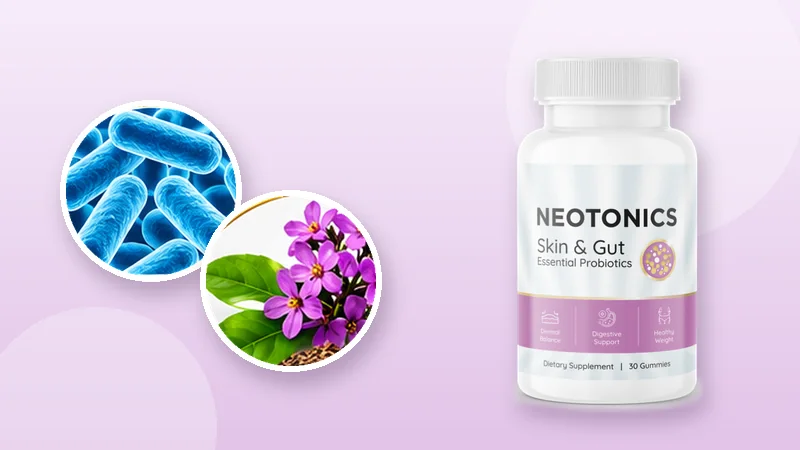
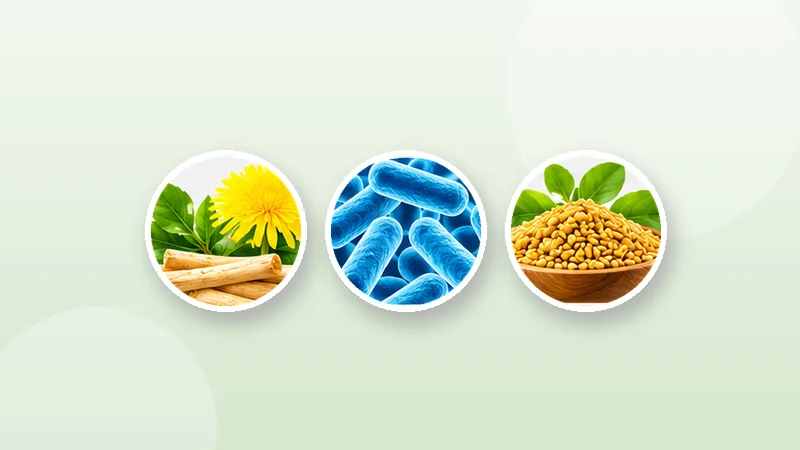
According to the NIH Office of Dietary Supplements, probiotics are live microorganisms that you can get from fermented foods or supplements. Different strains behave differently, so the specific strain listed on a label matters. Bacillus coagulans, the strain in Neotonics, is a spore-forming bacterium. That spore form is one reason it's popular in shelf-stable products such as gummies.
Prebiotics: the fuel
Prebiotics are types of fiber your body can't digest but your gut bacteria can. Inulin is one of the best-known. It's found naturally in chicory root, dandelion root, onions, garlic, leeks, asparagus and bananas.
Why combine them?
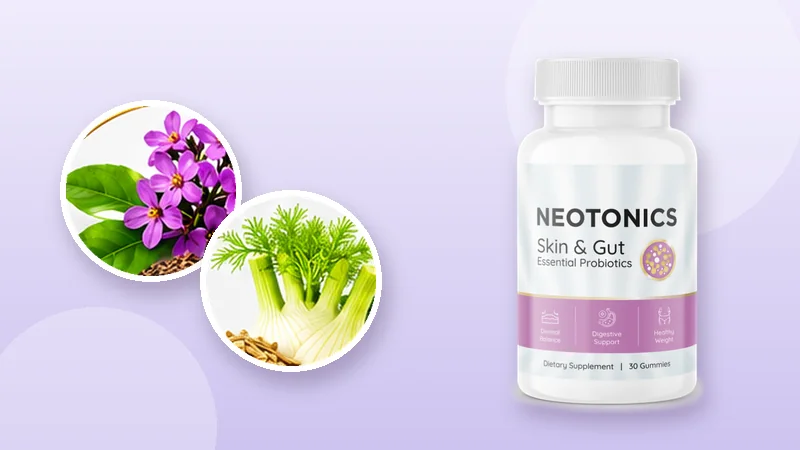
A product that includes both is sometimes called a synbiotic. The idea is straightforward: you add beneficial bacteria and give them fuel at the same time. Neotonics pairs Bacillus coagulans with inulin and dandelion for exactly this reason.
Food first, then fill the gaps
A varied diet with plenty of plants is the best foundation. A daily supplement can make consistency easier on busy days. The NCCIH's guide to using dietary supplements wisely is a good read before you add anything new.
Related reading: Gut Microbiome Balance · Neotonics ingredients
Looking for a simple daily step?
Neotonics combines Bacillus coagulans, prebiotic inulin and dandelion, and botanicals in one gummy a day, backed by a 60-day money-back guarantee.
View Neotonics PackagesThis article is for general education and isn't medical advice. Talk to your healthcare provider before starting any supplement.